
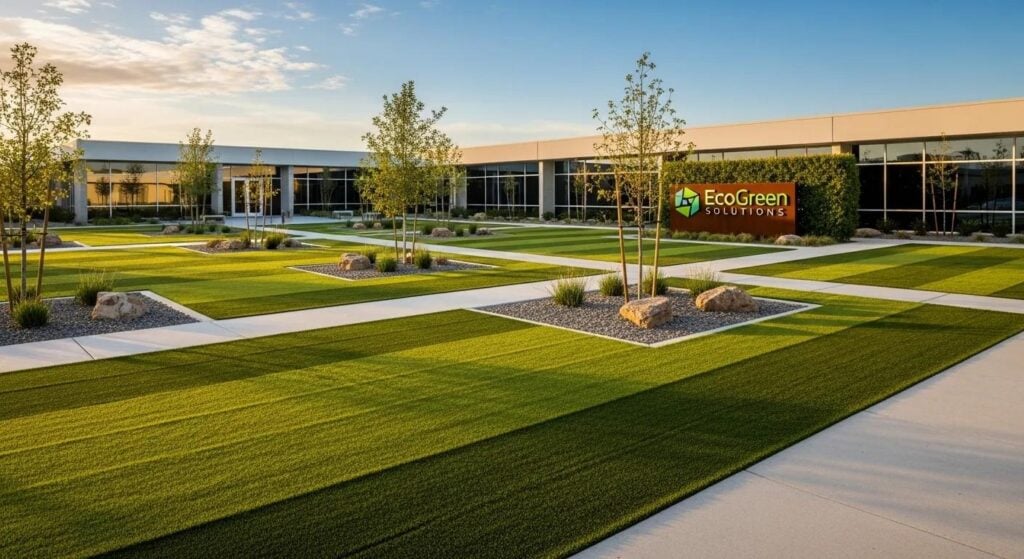
Commercial synthetic turf is a durable, low-maintenance alternative to natural grass that reduces operational and maintenance costs for businesses. It removes recurring tasks such as mowing, irrigation, and fertilization, lowering ongoing expenses. The product also supports sustainability through water conservation and reduced chemical use. This article examines the practical advantages, cost-saving mechanisms, and environmental benefits of commercial synthetic turf.
This guide reviews the primary advantages of synthetic turf, how durability improves cost efficiency, and the environmental benefits it delivers. We cover reduced maintenance requirements, the effect of lower water usage on operating costs, and key installation considerations. By the end, you will understand how commercial artificial turf can be a cost-effective landscaping investment.
What Are the Key Advantages of Commercial Synthetic Turf for Business Landscaping?
Commercial synthetic turf delivers distinct advantages for business landscaping.
- Cost Savings: One of the most significant benefits is reduced maintenance costs. Synthetic turf eliminates the need for regular mowing, watering, and fertilization, leading to substantial savings over time.
- Durability and Longevity: Synthetic turf is designed to withstand heavy foot traffic and adverse weather conditions, ensuring it remains in excellent condition for years. This durability translates to lower replacement and repair costs.
- Environmental Benefits: By using synthetic turf, businesses can contribute to environmental sustainability. It reduces the need for harmful pesticides and fertilizers, promoting a healthier ecosystem.
Taken together, these benefits make synthetic turf a practical option for businesses seeking attractive, low-cost outdoor spaces. In many cases, visible improvements in appearance also support brand perception and the visitor experience, which can be especially important for retail, hospitality, and office properties.
How Does Durable Synthetic Turf Enhance Cost Efficiency?
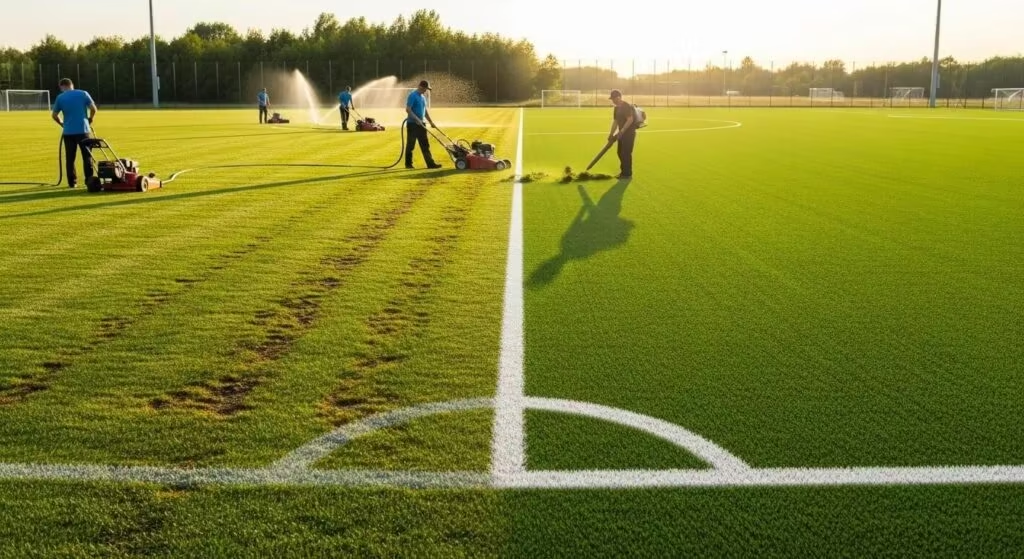
Durable synthetic turf reduces costs by resisting wear from weather and heavy use. Its construction limits deterioration, helping businesses avoid frequent repairs and replacements common with natural grass.
This structural resilience is inherent to synthetic turf; research indicates its composition is engineered for longevity and minimal degradation.
Synthetic Turf Durability: Reduced Wear & Maintenance
Synthetic turf consists of synthetic fibers structured to retain turf shape and reduce wear and tear.
Investigating the Challenges of Managing Natural Turfgrass and Synthetic Turf on Community Sports Fields, C Yue, 2024
Minimal maintenance further reduces operational costs. Without routine landscaping services, businesses lower labor expenses. The combination of durability and low upkeep makes synthetic turf a financially sound choice for commercial properties.
In practical terms, this means fewer vendor contracts, less on-site storage, and reduced scheduling complexity for facilities teams. When combined, those operational simplifications often translate into administrative savings in addition to direct maintenance reductions.
What Eco-Friendly Benefits Does Synthetic Grass Offer Commercial Properties?
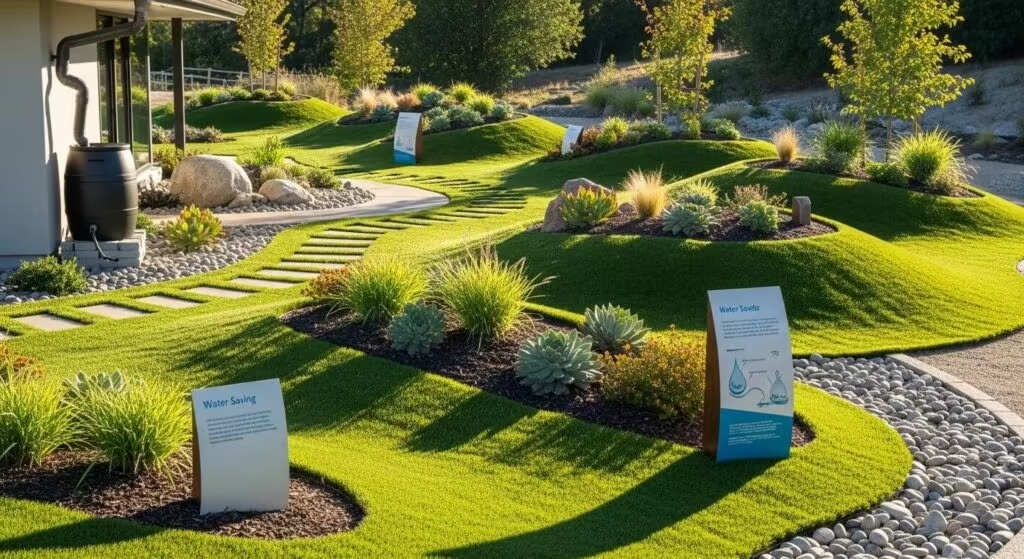
Synthetic grass offers measurable environmental benefits that support corporate sustainability goals.
- Water Conservation: One of the most significant advantages is reduced water usage. Businesses can save thousands of gallons of water annually, especially in regions prone to drought.
- Reduced Chemical Use: With synthetic turf, there is no need for chemical fertilizers or pesticides, which can harm local wildlife and ecosystems.
- Lower Carbon Footprint: By minimizing the need for gas-powered lawn maintenance equipment, businesses can reduce their carbon emissions, contributing to a healthier environment.
These measures reduce operating expenses and strengthen a company’s environmental credentials. For organizations tracking sustainability metrics, switching to synthetic turf can support reporting goals and community-facing sustainability claims without large behavioral changes from staff.
How Does Commercial Artificial Turf Lower Maintenance Requirements and Expenses?
Commercial artificial turf lowers maintenance needs and related expenses by removing many routine landscaping tasks.
- Elimination of Regular Tasks: Businesses no longer need to mow, water, or fertilize their lawns, which can be time-consuming and costly.
- Cost Comparisons with Natural Grass: When comparing the long-term costs of synthetic turf and natural grass, the savings become evident. Natural grass requires ongoing investment in maintenance, while synthetic turf offers a one-time installation cost with minimal ongoing expenses.
- Long-Term Financial Benefits: Over time, the financial benefits of synthetic turf become increasingly apparent, as businesses enjoy lower operational costs and reduced labor needs.
By choosing synthetic turf, businesses can reallocate time and budget to core operations. That reallocation can free facilities staff to focus on higher-value tasks such as building systems, security, or customer experience improvements rather than routine groundskeeping.
What Maintenance Savings Can Businesses Expect with Synthetic Turf?
Businesses typically realize significant maintenance savings after installing synthetic turf.
- Elimination of Regular Landscaping Costs: With synthetic turf, the need for regular landscaping services is drastically reduced, resulting in significant savings.
- Long-Term Financial Benefits: The initial investment in synthetic turf pays off over time, as businesses enjoy lower maintenance costs and fewer repairs.
- Routine Maintenance Requirements: While some maintenance is still necessary, such as occasional cleaning and brushing, these tasks are minimal compared to the upkeep required for natural grass.
Overall, switching to synthetic turf improves resource efficiency and financial performance. Typical routine tasks—such as debris removal, infill redistribution, and occasional pressure rinsing—are quicker and less frequent than traditional lawn care, further reducing annual operating hours.
How Does Reduced Water Usage Contribute to Operational Cost Reduction?
Lower water use is a major driver of operational cost reduction when businesses adopt synthetic turf.
- Water Savings Statistics: Businesses can save thousands of gallons of water each year by eliminating the need for irrigation systems.
- Impact on Utility Bills: Lower water consumption directly translates to reduced utility bills, providing immediate financial relief.
- Reduction in Labor Costs: With no need for irrigation maintenance, businesses can further reduce labor costs associated with landscape upkeep.
Reduced water consumption benefits the bottom line and supports broader conservation objectives. In regions with water restrictions or tiered billing, the relative savings can become a more pronounced line item in operating budgets.
What Are the Installation Processes and Their Impact on Cost Reduction?
Synthetic turf installation follows defined steps that can reduce total project costs.
- Steps Involved in Installation: The installation typically involves site preparation, base installation, and turf laying. Each step is designed to ensure a durable and long-lasting surface.
- Estimated Timeframes: Most installations can be completed within a few days, minimizing disruption to business operations.
- Cost Savings from Efficient Installation: Efficient installation reduces labor costs and allows businesses to enjoy their new landscaping sooner.
Understanding installation stages clarifies how synthetic turf delivers a cost-effective landscaping solution. Thoughtful planning during site assessment and efficient sequencing of work (for example, coordinating deliveries and staging ahead of installation) reduces downtime and unexpected expenses.
What Steps Are Involved in Installing Commercial Synthetic Turf?
Installing commercial synthetic turf requires defined phases to ensure quality results.
- Consultation and Planning: The first step is to consult with a professional to assess the site and plan the installation.
- Excavation and Base Installation: The area is excavated, and a proper base is laid to support the turf.
- Final Touches and Project Handover: Once the turf is laid, final touches are made to ensure a seamless appearance.
Adhering to these steps produces a durable installation and maximizes the benefits of synthetic turf. Clear communication during the handover phase—covering routine care, warranty details, and contact points for future service—helps preserve performance and reduces surprise costs later.
How Does Installation Time Affect Overall Project Costs?
Installation duration directly influences total project costs.
- Speed of Installation: Faster installations reduce labor costs and enable businesses to enjoy their new landscaping sooner.
- Labor Cost Implications: Longer installation times can increase labor costs, making efficient processes essential.
- Material Quality Considerations: High-quality materials may require more careful installation, but they often yield longer-lasting results, ultimately saving money.
Understanding this relationship helps businesses make cost-aware choices about their landscaping investments. When selecting a contractor, evaluate their project schedule, crew experience, and past examples of on-time completions to minimize schedule risk.
How Does Synthetic Turf Durability Influence Long-Term Operational Savings?
Synthetic turf durability strongly affects long-term operational savings.
- Material Quality and Lifespan: High-quality synthetic turf can last 15-25 years, significantly reducing the need for replacement.
- Cost Comparisons with Natural Grass: When comparing the lifespan of synthetic turf to natural grass, the savings become clear, as natural grass often requires more frequent replacement.
- Frequency of Maintenance Required: The durability of synthetic turf means less frequent maintenance, resulting in additional cost savings over time.
Selecting durable turf is a strategic choice that yields notable long-term financial benefits. Businesses should weigh the expected lifespan against upfront costs and warranty coverage to evaluate the total cost of ownership over a typical planning horizon.
What Are the Warranty and Lifespan Expectations for Commercial Synthetic Turf?
Clarifying warranty and lifespan expectations is essential when evaluating synthetic turf investments.
- Warranty Details: Most synthetic turf products come with warranties ranging from 8 to 15 years, providing peace of mind for businesses.
- Expected Lifespan: With proper care, synthetic turf can last up to 15 years, making it a long-term solution for landscaping needs.
- Impact on Cost Savings: The longevity of synthetic turf contributes to overall cost savings by reducing the need for frequent replacements.
These considerations demonstrate synthetic turf’s reliability and cost-effectiveness for commercial landscaping. Read the warranty fine print carefully to understand what regular care is required to keep the warranty valid and which issues are covered.
How Does Turf Durability Reduce Replacement and Repair Costs?
Turf durability is a primary factor in reducing replacement and repair costs.
- Durability and Longevity: High-quality synthetic turf is designed to withstand heavy use and adverse weather conditions, minimizing the need for repairs.
- Cost Implications of Replacements: Businesses can save significantly by avoiding the frequent replacements required for natural grass.
- Maintenance Frequency: The durability of synthetic turf means less frequent maintenance, further reducing costs.
By investing in durable turf, businesses maintain attractive landscapes while avoiding the ongoing costs associated with natural grass. Anticipating lifecycle replacement as part of a capital plan ensures budgets reflect long-term needs rather than annual surprise expenditures.
What Are the Environmental and Sustainability Benefits That Support Cost Reduction?
The environmental and sustainability benefits of synthetic turf contribute directly to cost reduction.
- Water Conservation: Synthetic turf requires no irrigation, resulting in substantial water savings.
- Reduced Chemical Use: Eliminating fertilizers and pesticides promotes a healthier environment.
- Lower Carbon Footprint: By reducing the need for gas-powered maintenance equipment, businesses can lower their carbon emissions.
They reduce expenses and enhance a business’s reputation as an environmentally responsible entity. For organizations pursuing certifications or community recognition, these sustainability benefits can support broader corporate initiatives.
How Does Synthetic Turf Promote Water Conservation in Commercial Landscaping?
Synthetic turf reduces irrigation needs and conserves water across commercial landscapes.
- Water Savings Statistics: Businesses can save thousands of gallons of water annually by eliminating irrigation.
- Impact on Utility Costs: Reduced water consumption directly translates into lower utility bills, providing immediate financial relief.
- Sustainability Initiatives: By adopting synthetic turf, businesses can align with sustainability goals and demonstrate their commitment to environmental stewardship.
Water conservation is a growing priority for many organizations and supports regulatory and reputational objectives. In some jurisdictions, reduced water demand can also simplify compliance with landscaping and water-use regulations.
What Role Does Eco-Friendly Landscaping Play in Business Cost Management?
Eco-friendly landscaping is an effective approach to managing business costs.
- Benefits of Eco-Friendly Landscaping: Sustainable practices can lead to significant cost savings while enhancing a business’s image.
- Cost Management Strategies: By reducing water use and chemical inputs, businesses can lower their operational costs.
- Sustainability Goals: Eco-friendly landscaping aligns with broader sustainability goals, making it a strategic choice for modern businesses.
By prioritizing eco-friendly landscaping, businesses can achieve both financial and environmental gains. These strategies also tend to be scalable, allowing organizations to pilot changes in one location before rolling them out across multiple sites.
How Do Cost Savings from Synthetic Turf Compare to Natural Grass Over Time?
The cost advantages of synthetic turf relative to natural grass become clearer over time.
- Initial Investment Comparisons: While the upfront cost of synthetic turf may be higher, the long-term savings are substantial.
- Long-Term Savings Analysis: Over the lifespan of the turf, businesses can save significantly on maintenance and water costs.
- Maintenance Cost Differences: The ongoing costs of natural grass can quickly add up quickly, making synthetic turf a more economical choice.
This analysis underscores the financial benefits of investing in synthetic turf for commercial sites. When considering a replacement, build a simple total cost of ownership model that compares projected maintenance, water, and replacement schedules to quantify the advantage for your specific site.
What Are the Lifecycle Cost Differences Between Synthetic and Natural Turf?
Assessing lifecycle cost differences is critical for informed decision-making between synthetic and natural turf.
- Initial Costs vs. Long-Term Savings: While synthetic turf may have a higher initial cost, the long-term savings in maintenance and water use are significant.
- Maintenance Requirements: Natural grass requires ongoing maintenance investment. at the same time, synthetic turf offers a one-time installation cost with minimal ongoing expenses.
- Durability Comparisons: The longevity of synthetic turf further enhances its cost-effectiveness relative to natural grass.
These lifecycle cost differences reinforce the case of synthetic turf as a prudent long-term investment for businesses. Consider including estimated maintenance hours and vendor costs in lifecycle comparisons to simplify budgeting.
How Do Case Studies Demonstrate Quantified Savings for Businesses?
Case studies quantify the savings that businesses can achieve by switching to synthetic turf.
- Examples of Cost Savings: Numerous businesses have reported significant reductions in maintenance costs after installing synthetic turf.
- Quantified Benefits: Case studies often highlight specific dollar amounts saved on water and maintenance expenses.
- Real-World Applications: These examples demonstrate the practical benefits of synthetic turf in various commercial settings.
Reviewing these examples helps businesses evaluate expected financial outcomes. When assessing case studies, match their site type, climate zone, and usage patterns to your own to improve the relevance of the findings.
What Common Questions Do Businesses Have About Synthetic Turf Costs and Maintenance?
Businesses commonly ask about costs and maintenance for synthetic turf.
- Cost Expectations: Many businesses wonder about the initial investment required for synthetic turf installation.
- Maintenance Requirements: Questions about ongoing maintenance needs are also common, as businesses seek to understand their long-term commitments.
- Longevity of Products: Businesses frequently inquire about the expected lifespan of synthetic turf and the warranties available.
Clear answers enable businesses to make informed choices about their landscaping options. Preparing a short FAQ or maintenance schedule for stakeholders can ease adoption and help align expectations across facilities and operations teams.
How Much Does Commercial Artificial Turf Typically Cost?
The cost of commercial artificial turf varies depending on several factors.
- Cost Range for Installation: On average, businesses can expect to pay between $ to $$ per square foot for synthetic turf installation, depending on the quality and type of turf chosen.
- Factors Affecting Pricing: Site preparation, turf quality, and installation complexity can influence the overall cost.
- Long-Term Value: Despite the initial investment, the long-term savings associated with synthetic turf make it a cost-effective choice for businesses.
Understanding these cost factors is essential when budgeting for synthetic turf. Obtain multiple bids, review what is included (base preparation, edging, warranties), and request a clear change-order process to avoid surprise costs during installation.
What Are the Typical Maintenance Requirements for Synthetic Grass?
Synthetic grass requires significantly less maintenance than natural grass.
- Routine Maintenance Tasks: Basic maintenance tasks include occasional brushing, cleaning, and checking for debris.
- Frequency of Upkeep: Most businesses find that maintenance can be performed a few times a year, making it a low-effort option.
- Cost Implications: The reduced maintenance needs translate into lower ongoing costs, further enhancing the appeal of synthetic turf.
These requirements demonstrate the practicality of synthetic grass for commercial applications. For high-use areas, schedule light maintenance more frequently and document procedures so in-house or contracted staff can maintain consistent standards.
How Can Businesses Maximize ROI When Choosing Commercial Synthetic Turf?
Maximizing ROI requires strategic planning and careful product selection.
- Cost-Benefit Analysis: Businesses should conduct a thorough cost-benefit analysis to understand the long-term savings associated with synthetic turf.
- Long-Term Savings Strategies: Identifying ways to minimize maintenance and operational costs can enhance ROI.
- Product Selection Considerations: Choosing high-quality turf and reputable installation partners can significantly affect the overall value of the investment.
Focusing on these areas helps businesses secure the best return on their turf investment. Consider combining turf with drought-tolerant planting in adjacent areas to amplify water savings and visual appeal.
What Factors Should Be Considered to Optimize Cost Savings?
To optimize savings, businesses should evaluate initial costs, durability, and water-conservation benefits.
- Initial Investment vs. Long-Term Savings: Understanding the balance between upfront costs and potential long-term savings is crucial.
- Durability and Maintenance: Selecting durable products that require minimal maintenance can enhance overall cost efficiency.
- Water Conservation Benefits: Evaluating the water savings associated with synthetic turf can further reduce costs.
Considering these factors maximizes the value of a synthetic turf investment. Engage both finance and operations stakeholders early to align on payback expectations and lifecycle budgeting.
How Does Choosing the Right Product and Installation Partner Affect Outcomes?
Selecting the right product and installer determines long-term performance and cost-effectiveness.
- Impact of Product Quality: High-quality synthetic turf products are essential for ensuring durability and longevity.
- Importance of Installation Expertise: Experienced installation partners can ensure that the turf is laid correctly, maximizing its lifespan and performance.
- Cost Efficiency Considerations: Selecting the right combination of product and installation can lead to significant cost savings over time.
Prioritizing quality and expertise improves the outcome of your turf investment. Request references and, when possible, visit Heavenly Greens’ recent installations to validate quality and long-term appearance.
For more information or to contact us, please visit our website.
Frequently Asked Questions
What types of businesses benefit most from synthetic turf?
Businesses with high foot traffic—such as sports facilities, parks, and commercial properties—benefit from synthetic turf’s durability. Schools and community centers focused on sustainability also gain from lower maintenance and water savings. Small businesses with limited groundskeeping resources can also realize outsized benefits by reducing recurring service contracts.
How does synthetic turf impact property value?
Synthetic turf can improve property value by enhancing outdoor appearance and functionality. Well-maintained synthetic landscapes attract visitors and can make properties more desirable to buyers or tenants due to lower upkeep costs. When combined with thoughtful hardscape and signage, artificial turf can create cohesive curb appeal that supports leasing and sales efforts.
Are there any health concerns associated with synthetic turf?
Synthetic turf is generally safe, though concerns sometimes focus on certain infill materials. Choose high-quality products that meet safety standards. Eco-friendly options and routine cleaning reduce potential health risks and maintain a safe environment. Regular inspections to remove debris and ensure drainage are practical steps that mitigate most concerns.
What is the expected lifespan of synthetic turf?
Synthetic turf typically lasts 15 to 25 years, depending on product quality and maintenance. Commercial-grade products often reach the higher end of that range. Regular brushing and cleaning help extend service life. Budgeting for eventual replacement and planning for end-of-life recycling or disposal supports sustainable lifecycle management.
Can synthetic turf be recycled or disposed of sustainably?
Many synthetic turf products are designed with recycling in mind. Some manufacturers offer take-back programs for end-of-life turf. Advances in materials have produced more sustainable options; ask suppliers about recycling when purchasing. Proper end-of-life planning reduces environmental impact and can sometimes recover some of the material value.
What are the common misconceptions about synthetic turf?
Common misconceptions include the belief that synthetic turf requires no maintenance and that it is harmful to the environment. While upkeep is reduced, occasional cleaning is still needed. Modern turf can reduce water use and eliminate the need for harmful chemicals. Assess each claim against product specifications and independent testing to determine the best fit for your location.
How can businesses ensure they choose the right synthetic turf product?
To select the right turf, evaluate intended use, expected foot traffic, and local climate. Consult experienced suppliers and review product specifications, warranties, and customer testimonials to confirm quality and ensure it fits your budget. Ask for maintenance guides and a sample area to inspect pile, color retention, and drainage performance before committing.
Conclusion
Investing in commercial synthetic turf delivers measurable cost reductions through lower maintenance and operational expenses. It conserves water, enhances the appearance of outdoor spaces, and supports sustainability goals. Selecting high-quality synthetic turf yields long-term financial benefits and environmental advantages. Discover how our premium synthetic turf options can transform your landscaping today.
Thoughtful planning, quality installation, and a simple maintenance plan maximize the return on investment and reduce unexpected costs. When evaluated across the lifecycle, synthetic turf is often a practical, sustainable choice for modern commercial properties.


